
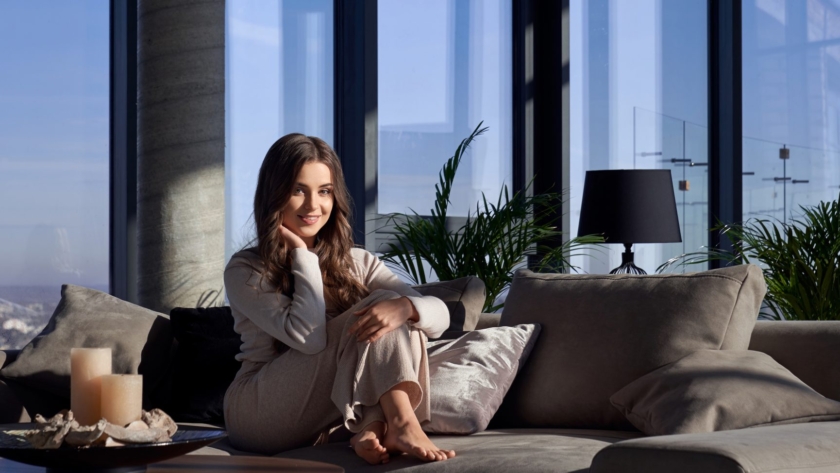
1. Statement Lighting as a Central Feature
Lighting is no longer just functional—it’s a defining design element. Large-scale chandeliers, sculptural pendant lights, and dramatic floor lamps are being used to set the tone in living spaces. These fixtures not only serve to illuminate the room but also create a visual focal point. Layered lighting schemes that include ambient ceiling lights, task lighting, and accent lamps add dimension and allow for adjustable moods throughout the day.
2. Curved and Sculptural Furniture
Furniture with soft, rounded shapes is replacing boxy or rigid silhouettes. Sofas, chairs, and coffee tables now feature curves, arches, and flowing lines that create a sense of movement and comfort. This trend adds visual softness, makes rooms feel more inviting, and supports a calming aesthetic. Rounded forms also help define zones within open layouts without the need for walls or dividers.
3. Bold and Personalized Maximalism
Minimalism is taking a backseat as maximalism gains popularity. Living spaces are becoming more expressive, filled with bold colors, intricate patterns, and layered textures. Deep greens, burgundy, ochre, and sapphire blue are among the colors being used to create statement walls, accent furniture, or even full-room color schemes. Patterned rugs, mixed textiles, and curated collections of art and decor make each room feel personal and dynamic.
4. Art Deco Revival
Design elements from the Art Deco period are making a stylish comeback. Think rich, saturated colors, geometric patterns, sleek metal finishes, and furniture with bold, symmetrical forms. Art Deco-inspired living rooms feature materials like lacquered wood, brushed brass, and velvet. These elements evoke elegance and glamour while complementing contemporary styles with a vintage twist.
5. Spaces Designed for Comfort
Living rooms today are being designed with daily relaxation in mind. Large sectionals, deep armchairs, soft throw blankets, and layered rugs all contribute to creating a retreat-like atmosphere. Instead of saving the best furniture for guests, homeowners are prioritizing comfort for everyday use. Layouts often emphasize easy conversation, lounging, and media enjoyment.
6. Natural Materials and Textural Depth
Materials that show age, texture, and authenticity are increasingly favored over polished, synthetic alternatives. Designers are incorporating reclaimed wood, stone, aged metals, rattan, and linen into living room decor to create spaces that feel grounded and tactile. This trend supports a more natural, handcrafted aesthetic and pairs well with both rustic and modern interiors.
7. Biophilic Design and Indoor Greenery
Biophilic principles—designing with nature in mind—are becoming integral to modern interiors. Living spaces now include large indoor plants, green walls, natural fibers, and organic shapes to foster a connection to the outdoors. These elements contribute to physical and mental wellness by improving air quality, reducing stress, and creating a calming atmosphere.
8. Flexible and Multifunctional Layouts
As more people use their living rooms for work, study, exercise, and socializing, adaptable layouts have become essential. Modular furniture, mobile partitions, and built-in storage help living spaces serve multiple roles throughout the day. Small reading corners, hidden workstations, and furniture that transforms easily between uses are key features in these highly functional rooms.
9. Indoor–Outdoor Continuity
Many homeowners are blurring the line between indoors and outdoors by connecting living spaces to patios, decks, and gardens. Sliding glass walls, consistent flooring materials, and coordinated furniture styles create seamless transitions. This approach not only expands the usable living area but also maximizes natural light and ventilation, making interiors feel brighter and more spacious.
10. Warm, Earth-Toned Color Palettes
Color schemes have moved away from stark white and cool grays in favor of warm, earthy hues. Browns, rust, terracotta, olive, and golden beige are now central to many living room designs. These tones evoke a sense of coziness and harmony and pair beautifully with natural wood and muted metal finishes. The result is an environment that feels balanced, welcoming, and emotionally grounding.
Conclusion
The most popular living spaces of today are defined by a thoughtful blend of style, function, and atmosphere. They prioritize emotional comfort and authenticity while incorporating bold design elements and versatile layouts. Whether through color, texture, lighting, or layout, the goal is to create a space that reflects the people who live in it—supporting not just their aesthetic preferences, but also their everyday lifestyle.
By embracing these trends, homeowners can design living spaces that are not only beautiful and contemporary but also deeply personal and ready to evolve with their needs.